
Africa's youth are feeling better about the future. Corruption and jobs are still deal breakers.
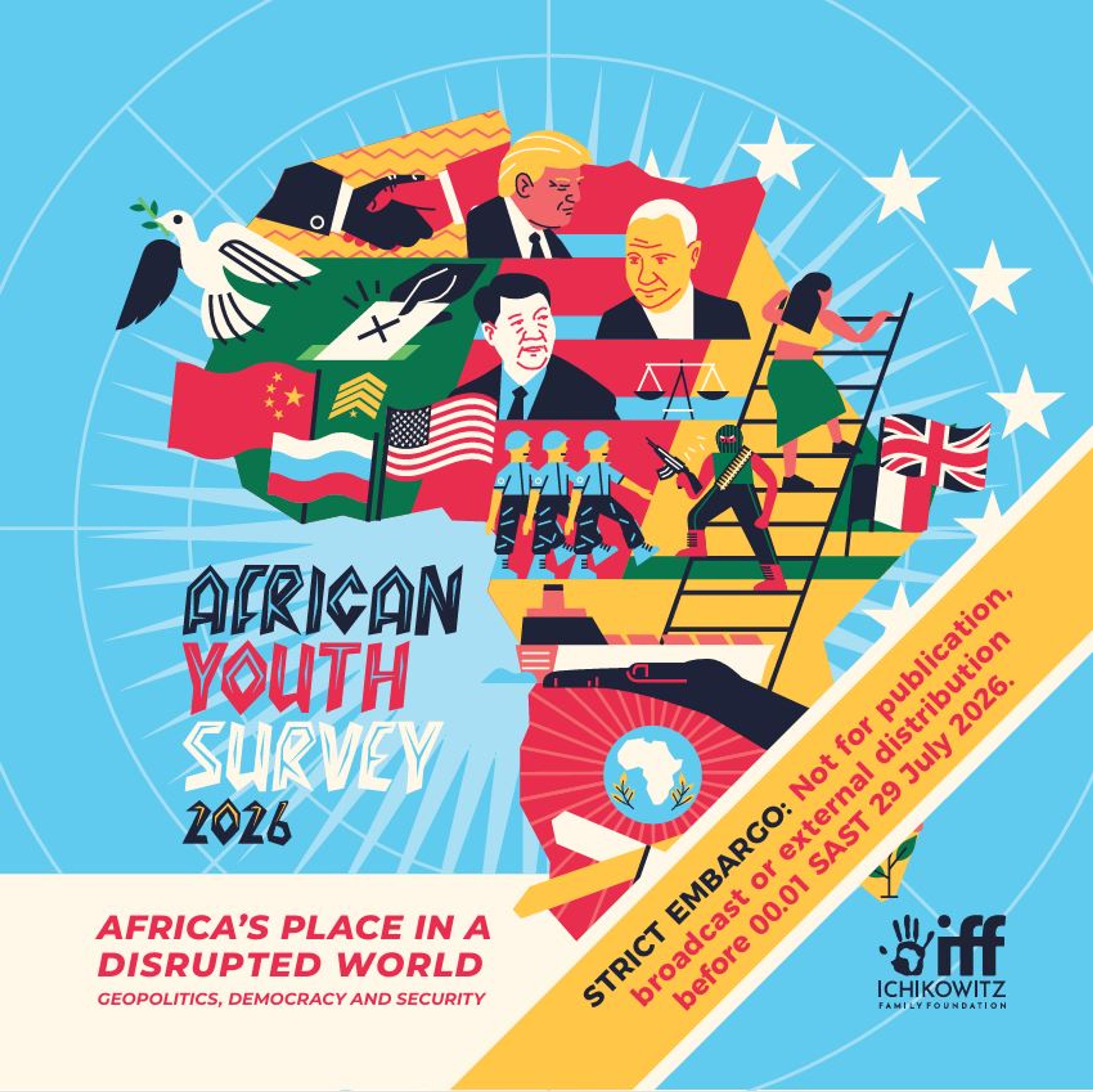
Optimism among Africa's young people has surged to its highest level since the pandemic, according to a major new survey, but the same generation is issuing a blunt warning to their leaders: deliver jobs and clean government, or lose their patience for good.
The 2026 African Youth Survey, released Wednesday by the Ichikowitz Family Foundation and conducted by polling firm PSB Insights, found that 47% of young Africans now believe their country is heading in the right direction, up sharply from 30% in 2024. Confidence in national economies nearly doubled, from 26% to 45%. The survey interviewed 4,901 people aged 18 to 24 across 16 countries in March, making it the largest edition since the study launched in 2020.
The rebound is uneven. Ghana, Ethiopia, and Zambia drove much of the swing, with optimism in Ghana climbing 51 percentage points since 2024. Kenya and South Africa moved the opposite way, with roughly seven in ten young people in both countries saying the continent is on the wrong track.
Despite the improved mood, the survey found little appetite for patience. The rising cost of living was named the single most impactful event of the past five years, ahead of political instability and infectious disease. When asked what Africa most needs to progress, young respondents put job creation first, with reducing government corruption close behind.
"Do not mistake this optimism for satisfaction," foundation chairman Ivor Ichikowitz said in a statement accompanying the release. "It is not a vote of confidence in the status quo. It is a warning."
Democracy, but not necessarily the Western kind
The survey also points to a generation still committed to democratic government but increasingly skeptical that imported models fit African realities. Nearly three quarters of respondents said democracy is always preferable to any alternative, yet 56% said a Western style multiparty system isn't suited to Africa and that the continent needs its own model, built around national unity, delivery of jobs and services, and free elections rather than institutional imports.
That tension extends to foreign policy. Young Africans rated a partner's ability to invest in infrastructure and the economy as the single most important quality in an ally, well ahead of shared democratic values. China was viewed more favorably than the United States, even though both are seen as similarly influential; nearly all respondents who see China as influential rate that influence positively, against roughly 85% for the US.
Views on the Trump administration were split down the middle, with 52% of respondents favoring pragmatic engagement with Washington and 42% wanting their leaders to push back. Views on the closure of USAID were similarly divided, with 46% expecting a negative impact, concentrated heavily in healthcare and disease prevention, against 26% who see it as a forcing function for governments to become more self reliant.
A generation demanding a seat at the table
Three quarters of respondents said too few young people hold leadership positions in their governments, and a similar share said they'd be more likely to vote for a party that ran younger candidates. Support was strong for creating a dedicated "Minister for Youth" role and for introducing age limits on presidents and prime ministers, with 57 the median preferred cap.
The survey's authors frame the findings as a message aimed squarely at those in power. "Young Africans still believe in this continent, but they are no longer prepared to confuse hope with patience," Ichikowitz said.