
From constitution framer to court docket: Matembe speaks out
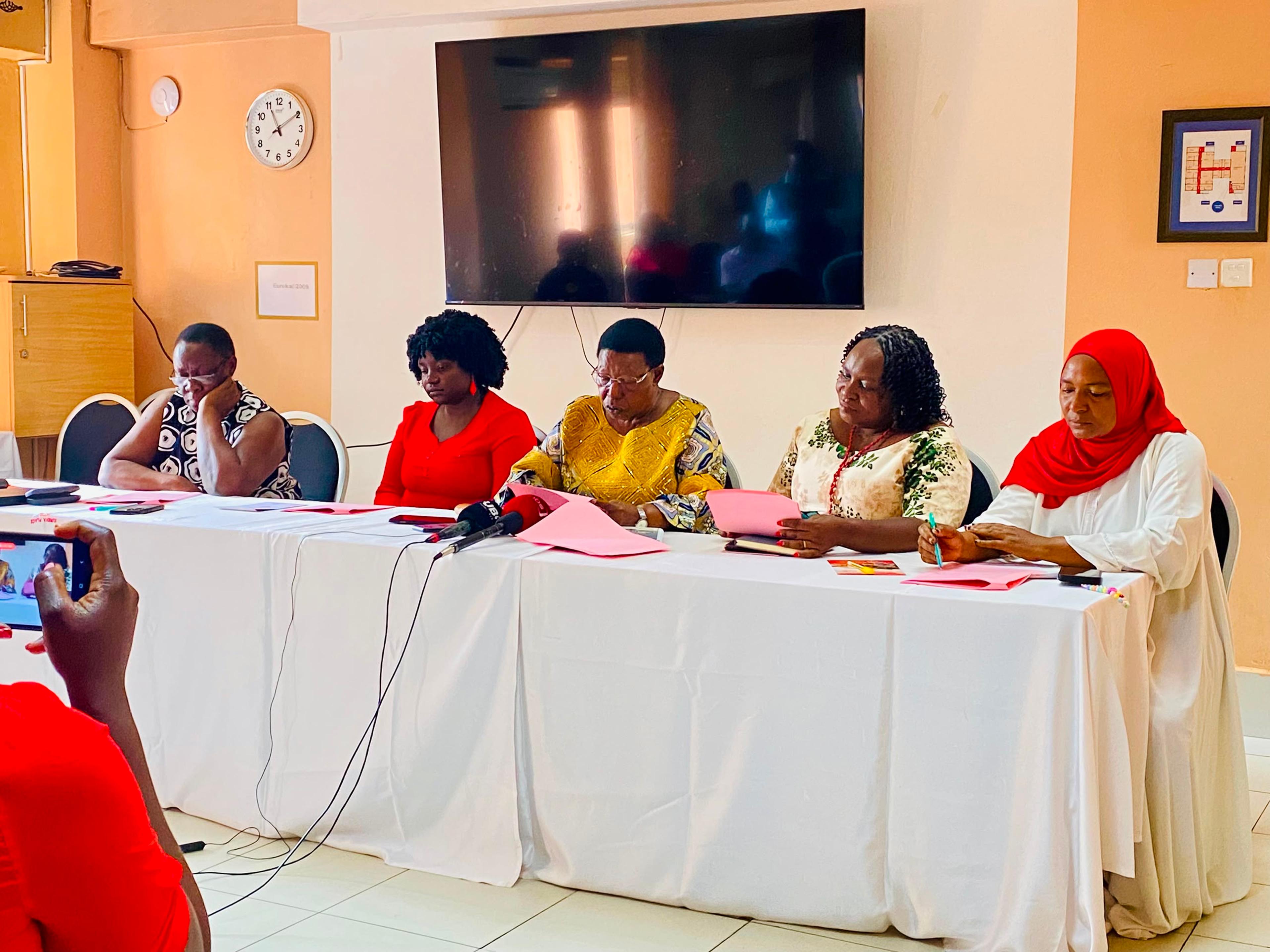
Veteran women's rights campaigner and former Ethics Minister Dr. Miria Matembe has spoken publicly for the first time about the ordeal that led to her arrest and prosecution last month, describing days of hiding, a blindfolded journey, and near starvation before she was dumped at a police office in Kampala.
In a press statement titled "Breaking the Culture of Silence in Uganda Amidst Abduction of Citizens and Threats to Our Democracy," Matembe, 73, said suspected security operatives stormed her home in the Luzira suburb of Kampala on 24th June 2026, jumping over the gate and searching the house, including her bedroom, while her 81 year old husband, Nekemia Matembe, was at home.
She said she was not present at the time, having gone into hiding for five days beforehand. On 28th June, she said a man she recognized from earlier footage of opposition leader Erias Lukwago's abduction found her, claiming he had been sent by the President, and drove her toward Entebbe. From there, she said she was blindfolded and held at what she believes was a military facility, before being moved in a vehicle she called "the drone" and dropped at the Jinja Road Regional CID office. She was formally arrested and produced in court on 30th June 2026, when she was charged with promoting sectarianism at Luzira Magistrates Court.
Background to the charge
Prosecutors allege that earlier in June, during an appearance on DK TV Uganda, Matembe said "all our taxes are being spent on the Banyankole women ministers," a remark the state contends was likely to promote hostility, hatred, or ill will against members of the Banyankole ethnic group, contrary to Section 38(1)(d) of Uganda's Penal Code Act, an offence carrying a maximum sentence of five years. Matembe pleaded not guilty.
Her disappearance drew wide attention in the days before she resurfaced. Chief of Defence Forces Gen. Muhoozi Kainerugaba had posted on social media that she was arrested for "impersonation," a charge that did not match the sectarianism count later read in court, a discrepancy that fueled public confusion over her whereabouts. The Uganda Law Society had petitioned the Inspector General of Police and military legal authorities demanding her arraignment, arguing she was being held beyond the legally permitted 48 hours.
On 1st July 2026, Magistrate Sheilah Gloria Atim granted Matembe bail of three million Ugandan shillings, citing her advanced age and health, her fixed place of residence, and her standing as a well known public figure unlikely to abscond. Her sureties included Amuru District Woman MP Lucy Akello, Rushenyi County MP Naome Kabasharira, and Trina Kwagala. As part of her bail terms, she was ordered to refrain from making further sectarian statements while the case proceeds. Her next court appearance is scheduled for mid August 2026.
The statement, issued roughly seven weeks after her arrest, situates her case within a broader pattern she says is unfolding in Uganda, pointing to the continued detention of opposition figures including Dr. Kizza Besigye, Muwanga Kivumbi, and Lukwago, among others, and arguing that state institutions meant to protect citizens have instead been turned against them. Her prosecution comes amid a wider run of arrests and investigations targeting opposition politicians, lawyers, journalists, and civil society activists in Uganda in recent months.
Who is Matembe
Matembe is one of Uganda's most recognizable women's rights advocates and constitutional reform campaigners. She served as Minister of Ethics and Integrity in the 1990s, was a member of the 21 person Constitutional Commission that helped draft the 1995 Constitution, and later sat as a delegate to the Constituent Assembly. She has long been a vocal critic of corruption and shrinking democratic space in Uganda, even after her political fallout with President Museveni's government, and has previously said Museveni personally assured her she would never be arrested or killed under his rule.
Despite the ordeal, Matembe struck a defiant tone in her statement, invoking Uganda's history of surviving political upheaval, from Idi Amin's rule through the insurgencies of the 1980s, and calling on citizens, especially young people, not to stay silent in the face of what she described as constitutional abuse.
"For God and My Country," she signed off, closing a statement that blended personal testimony, scripture, and a call for collective civic courage.