
Letting go without losing your child
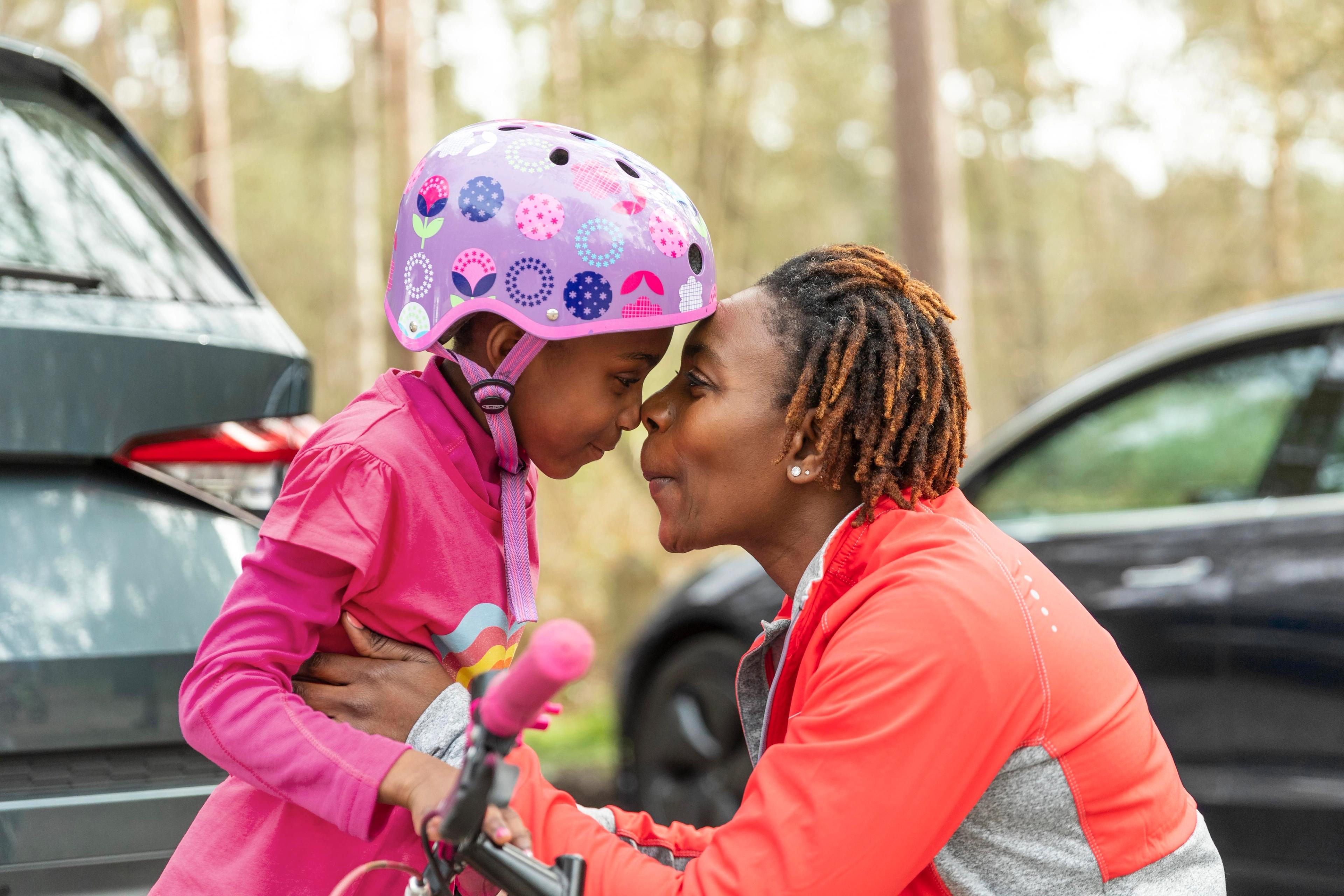
There is a moment in every parent's life when a child who once needed help with almost everything begins saying, "I can do it myself."
First it may be choosing what to wear, then deciding who to play with, later wanting more privacy, making independent decisions, travelling without a parent, managing money, and eventually leaving home for university or work, and/or finally marriage.
For some parents, these changes are exciting; for others, they can be frightening. The child they have protected for years is gradually becoming an independent person. But growing up requires parents to loosen their grip without withdrawing their love. The challenge is learning when to hold on, when to step back, and how to let go without losing the relationship.
Growing up changes the parenting job
One of the greatest mistakes parents can make is assuming that because they remain parents, their parenting must remain the same. It should not. A young child may need a parent to say, "Do this." As the child grows, the parent can begin asking, "What do you think you should do?"
Later, the conversation becomes, "What options have you considered?" Eventually, a university student may simply need a parent who says, "I trust you to make this decision, but I am here if you need advice."
Good parenting therefore involves gradually moving from directing to guiding, from supervising to coaching, and eventually from controlling decisions to supporting responsible decision-making.
Independence must be practiced
We cannot control a child throughout childhood and suddenly expect maturity at university, at the workplace or in marriage. Independence must be rehearsed. Teach them slowly as you loosen your hands off them.
Give children age-appropriate responsibilities: organising belongings, managing personal tasks, keeping commitments and making ordinary decisions. Increase responsibility and freedom together.
Parents should therefore give children opportunities to practise independence while they are still at home. A primary-school child can learn to organise personal belongings and complete age-appropriate responsibilities. A teenager can gradually take greater responsibility for time, commitments and decisions. Independence is not switched on at adulthood; it is developed through practice.
Freedom must grow with responsibility
There is a simple principle parents should remember: greater freedom should come with greater accountability. If a child wants more freedom to make decisions, they must also learn to accept the consequences of those decisions. This does not mean abandoning children to "learn the hard way." It means allowing age-appropriate responsibility.
Do not confuse guidance with control
There is an important difference between protecting a child and possessing a child. A parent can say, "I am concerned about this decision. Help me understand how you reached it." That creates room for guidance. But saying, "You will do this because I am your parent," every time a child disagrees may gradually teach obedience without developing judgement.
As children mature, supervision should increasingly be accompanied by trust. The goal is not to know every movement a young person makes. The goal is to raise someone who can make good decisions even when the parent is not present.
Do not rescue children from every mistake
Sometimes our desire to protect children prevents them from learning responsibility. A child forgets something, and the parent immediately takes it to school. A teenager mishandles a commitment, and the parent solves the problem. A university student spends money carelessly, and the parent repeatedly sends more without discussing what happened.
There are situations where parents must intervene, particularly where safety, abuse, or serious harm is involved. But not every mistake requires rescue.
When they come home, do not turn back the clock
As children return home for holidays, parents have another opportunity to practise this balance. A child coming home from primary or secondary school still needs boundaries, guidance and supervision appropriate to their age. But parents should also recognise the independence the child has been developing.
University students returning home does not mean they should abandon respect, responsibility or family expectations. Neither does it mean parents must treat them exactly as they were treated years ago. This is not the restoration of childhood. It is an adjustment to a young person who is still part of the family while becoming increasingly independent.
In all, parents need to ask themselves: Am I preparing my child to function without me, or am I making them afraid to function without me? Letting go does not mean letting go of your child. It means gradually letting go of the control they no longer need while holding firmly onto the relationship they will always need.

The writer is the Executive Director of Hope Regeneration Africa, Parenting Coach, Marriage Counsellor, and Founder of the Men of Purpose Mentorship Programme.