
Stop raising children who only behave when you're watching
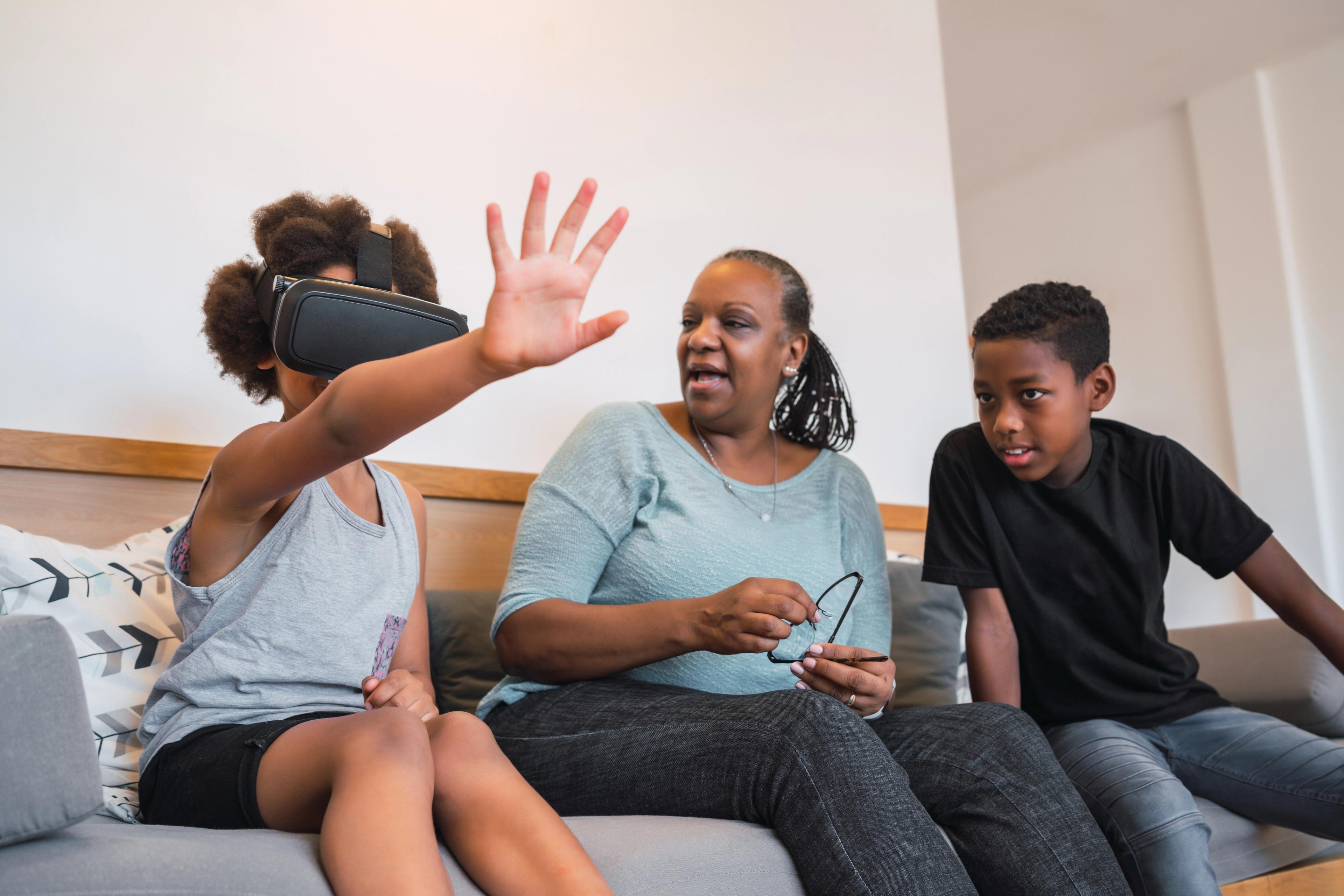
One of the greatest tests of parenting is not how children behave when adults are watching them, but how they behave when no one is present to monitor them. True parenting is not about controlling children every moment, it is about raising young people who can make wise decisions even in the absence of supervision.
Many parents today confuse obedience with maturity. A child may appear disciplined simply because they fear punishment or because adults are nearby. Yet real character is revealed in private moments.
The true goal of parenting is not to produce children who only perform well under pressure or in your presence, but children who develop internal values strong enough to guide their choices independently.
The danger of constant monitoring
Modern parenting has increasingly become surveillance parenting. Some parents supervise every movement, including on CCTV, solve every problem, fight every battle, and make every decision for their children. While involvement is important, over-monitoring can weaken a child's ability to think, decide and function independently.
Children who are never trusted with responsibility at a tender age into adulthood often struggle when they eventually face life alone. Some reach university unable to manage time, handle money, resist peer pressure, or make responsible decisions without constant reminders. Others collapse emotionally the moment supervision disappears because they were raised to depend on external control rather than internal discipline.
Discipline must become internal
The strongest form of discipline is self-discipline. Unfortunately, many children are taught to avoid consequences rather than to value principles. They behave well only because teachers are strict, parents are nearby, or cameras are watching. Once those controls disappear, their behaviour changes immediately.
Parents must intentionally teach children why values matter. Honesty should not depend on fear of being caught. Respect should not depend on who is present. Hard work should not depend on supervision. When children understand the purpose behind values, they begin developing convictions instead of temporary compliance.
Responsibility builds independence
Children become responsible by practicing responsibility. One of the biggest mistakes parents make is doing everything for their children in the name of love. Yet over-dependence can quietly cripple growth.
Children should gradually learn how to manage personal tasks, organize schedules, solve minor problems, complete assignments independently, and contribute meaningfully at home. These small responsibilities prepare them for bigger life demands ahead. A child who never carries responsibility at home may struggle to carry responsibility in adulthood. Life will eventually demand resilience, initiative, and accountability.
Allow children to face consequences
Many parents rush to remove every discomfort from their children's lives. While protection is necessary, overprotection can prevent growth. Sometimes children learn best through experiencing the consequences of poor choices. They need to learn that every choice they make has a consequence they must own.
A child who forgets an assignment may learn responsibility through correction. A teenager who misuses money may learn budgeting through a temporary shortage. Constantly rescuing children from consequences may unintentionally teach irresponsibility. Wisdom in parenting is not removing every struggle but helping children learn through guided experience.
Teaching decision-making early
Children cannot develop maturity if they are never allowed to make decisions. Parents should intentionally create opportunities for children to think, choose, and evaluate outcomes. Age-appropriate decision-making builds confidence, wisdom, and accountability.
Simple choices about managing time, handling money, resolving conflicts, or planning activities can help children develop independent thinking. Parents should guide without controlling every outcome. The goal is to raise thinkers, not merely followers of instructions.
Building spiritual and moral convictions
Children who survive without supervision are usually guided by deeply rooted convictions. Rules alone are not enough. External rules may disappear, but internal values remain.
Homes that intentionally nurture honesty, integrity, prayer, responsibility, respect, and self-control help children develop an inner compass. In a world filled with pressure and temptation, children need convictions that remain firm even when parents, teachers, or pastors are absent. Character built internally becomes protection externally.
Preparing children for the real world
The world will not constantly supervise our children. Eventually, they will enter universities, workplaces, relationships, and communities where they must make independent decisions daily.
Parents, therefore, must prepare children not merely to succeed under authority, but to function wisely beyond it. Children who can survive without supervision become adults who can be trusted with responsibility, leadership, and influence.

The writer is the Executive Director of Hope Regeneration Africa, Parenting Coach, Marriage Counsellor, and Founder of the Men of Purpose Mentorship Programme.