Uganda moves to tighten checks on electrical goods flooding its market
Uganda has spent six years as an associate member of the International Electrotechnical Commission (IEC) without fully tapping the benefits of that status, officials say, a gap they hope a fresh round of training will begin to close.
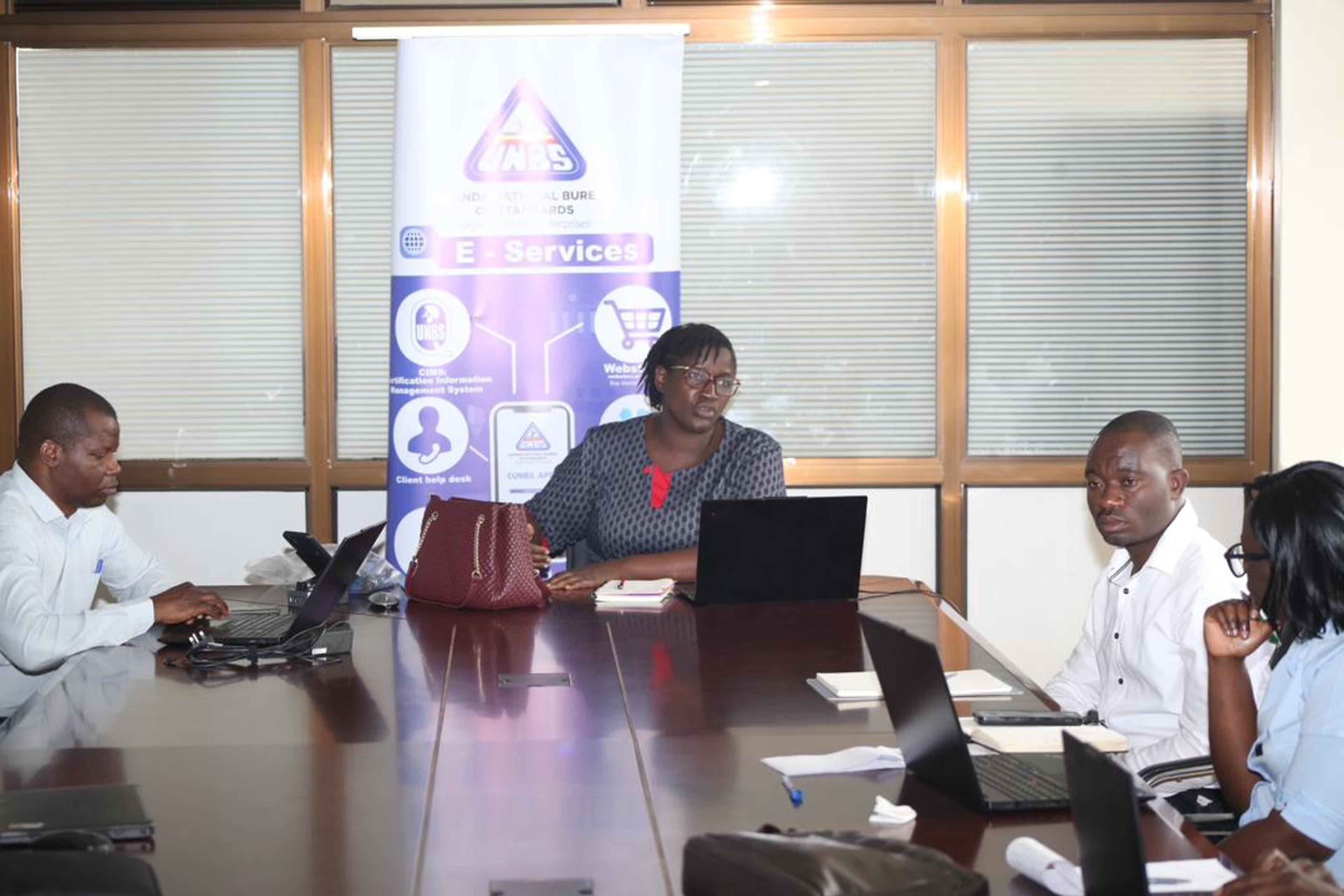
The Uganda National Bureau of Standards (UNBS) hosted a two day technical session this week with experts from the IEC's regional office in Nairobi, bringing together members of Uganda's National IEC Committee, who double as UNBS technical officers, for what the bureau described as its first comprehensive guidance since joining the commission in 2020.
The stakes are not abstract. Uganda's electrical laboratory now relies on IEC based standards for more than 99 percent of the tests it runs on cables, household appliances, solar panels and switchgear, out of a total of over 288 IEC standards the country has adopted covering everything from e mobility to solar photovoltaic systems and lighting.
"This is about consumer protection, safe trade and environmental protection," said Eng. James Kasigwa, UNBS Executive Director and Secretary of the National IEC Committee, pointing to the growing volume of electrical and electronic goods entering the country. He added that as Uganda's economy becomes more electrified and digitized, attention also needs to turn to the environmental fallout of that shift, including electronic waste.
Much of the week's work centered on conformity assessment schemes covering electrical appliances, renewable energy equipment and explosive environments, training that officials say will feed directly into import inspection and market surveillance. Pre Export Verification of Conformity providers, who screen goods before they reach Ugandan ports, are also expected to draw on the training to spot fraudulent conformity claims and keep counterfeit or substandard products out of circulation.
Winnie Grace Onziru, UNBS's Senior Standards Officer for Electrotechnical Technology, said the practical nature of the session filled a gap that had persisted since Uganda's membership began. Dr. Safina Namugga Ngobya, the bureau's Ag. Manager Standards, said the country still has room to extract more value from its IEC status, particularly in policing electronics, electrical products and imported power systems.
For the IEC, the engagement fits a broader continental push. François Ahoti, the commission's Regional Director for Africa, said the Nairobi based regional centre, running since 2015, exists to help African members strengthen their conformity assessment systems and get more out of participating in international standard setting.
"African countries need to participate in international standardization and strengthen conformity assessment systems to ensure products entering their markets are safe and fit for purpose," Ahoti said.
The commission's own figures underline why that matters. The IEC estimates electrical and electronic devices account for roughly 23.8 percent of global trade, worth an estimated USD 5,260 trillion, with its standards touching more than a fifth of all goods traded worldwide, including energy equipment and vehicles.
Founded in 1906, the IEC now counts close to 170 countries and about 30,000 experts among its ranks, working to keep electrical and electronic products compatible and safe across borders. UNBS, for its part, is the government agency charged with setting and enforcing standards to protect public health, safety and the environment, and with ensuring fair trade through reliable measurement.
Whether the week's training translates into fewer substandard products on Ugandan shelves will depend on how the guidance is applied at the border and in the market, rather than on the engagement itself.