
Uganda's land laws protect widows. Enforcement doesn't
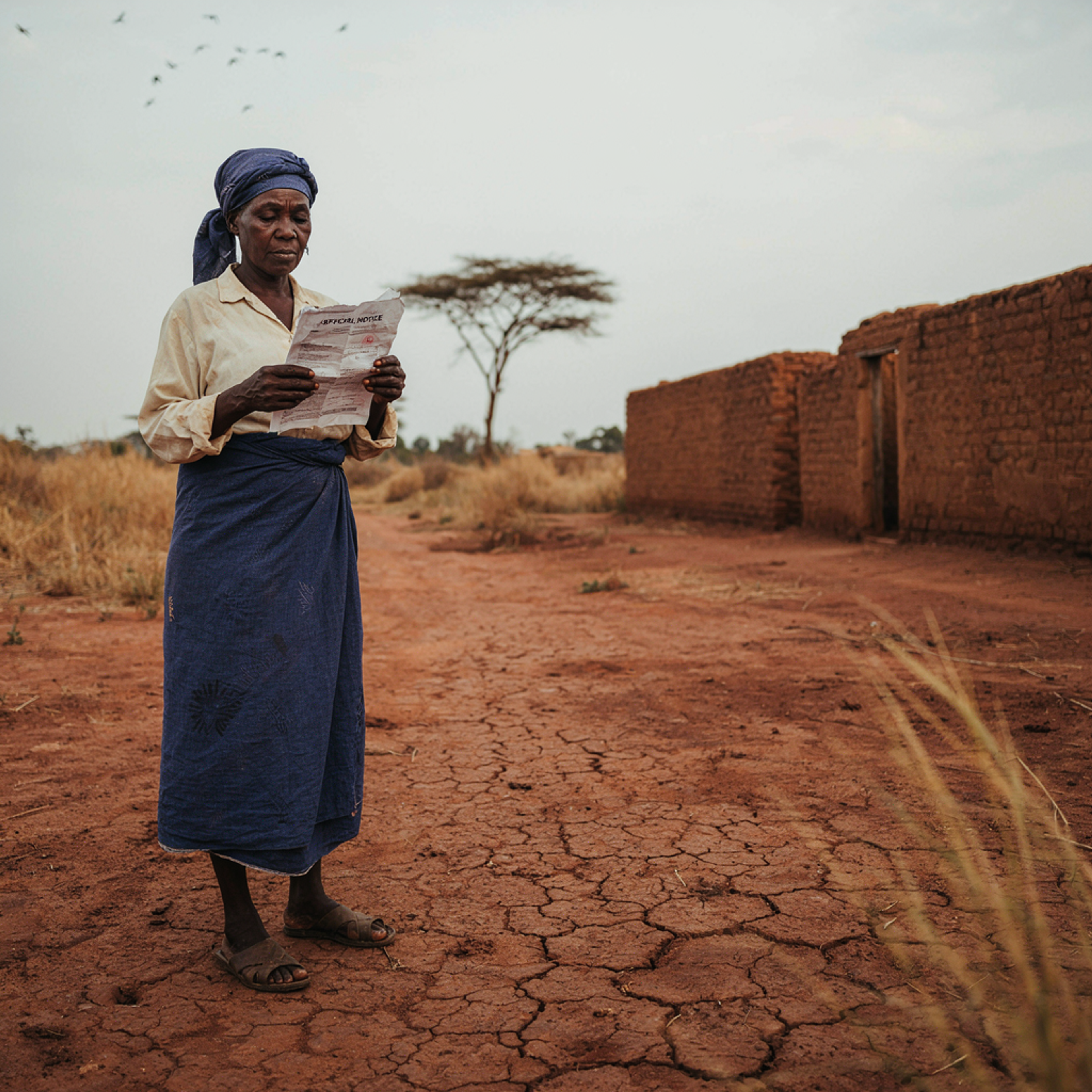
A husband dies. Within days of the burial, his widow, who farmed the family land, raised children there, and contributed to the household for decades, watches as her in-laws arrive to take over the property. She has no land title, no letters of administration, no lawyer. What she has is a lifetime of unrecorded contribution and a legal system she cannot navigate.
This scene is not rare. Variations of it play out across Ugandan courts, local council offices and family compounds regularly.
The conversation around women's land rights in Uganda often assumes the problem is a gap in the law. On paper, it isn't. The Constitution guarantees equality and the right to own property. The Land Act requires spousal consent before any dealing in family land. The Succession (Amendment) Act, 2022, protects the "principal residential holding," meaning a widow cannot lawfully be evicted from her matrimonial home by extended family; evicting her is now a criminal offence.
But legislative protection does not disarm hostile relatives in rural homesteads. Roughly 80 percent of land in Uganda is held under customary tenure, largely unregistered, and governed by unwritten norms enforced through clan authority. Section 27 of the Land Act nullifies any customary decision that denies women or children access to land. In practice, patriarchal custom routinely overrides statutory law anyway. A widow's claim to land often exists only as a social understanding, not a legal one, which leaves her exposed to swift eviction.
The gap, then, is not legislative. It is a gap in enforcement, awareness and institutional practice. A legal protection a widow doesn't know exists, can't afford to invoke, or is too intimidated to raise against her in-laws offers her no protection at all.
A faster route to safety
One underused tool is the Domestic Violence Act, which recognises denial of access to a shared home as a form of economic abuse. A widow facing imminent eviction doesn't have to wait for a lengthy succession dispute to conclude. She can seek an occupation and protection order under the Act, securing her home while the underlying property dispute is resolved.
Who is responsible for closing the gap
Bankers, lawyers, government land officials and property dealers sit at the point where this either gets enforced or quietly ignored. Every mortgage processed, every land sale facilitated, every family advised is a decision to either reinforce these protections or erode them.
The laws exist. The task now is to make legal ownership match the reality of who actually built and sustained the home, turning a robust legal framework from a shield on paper into one that works.

Legal Manager, KCB Bank Uganda Ltd.