
Who is to blame?
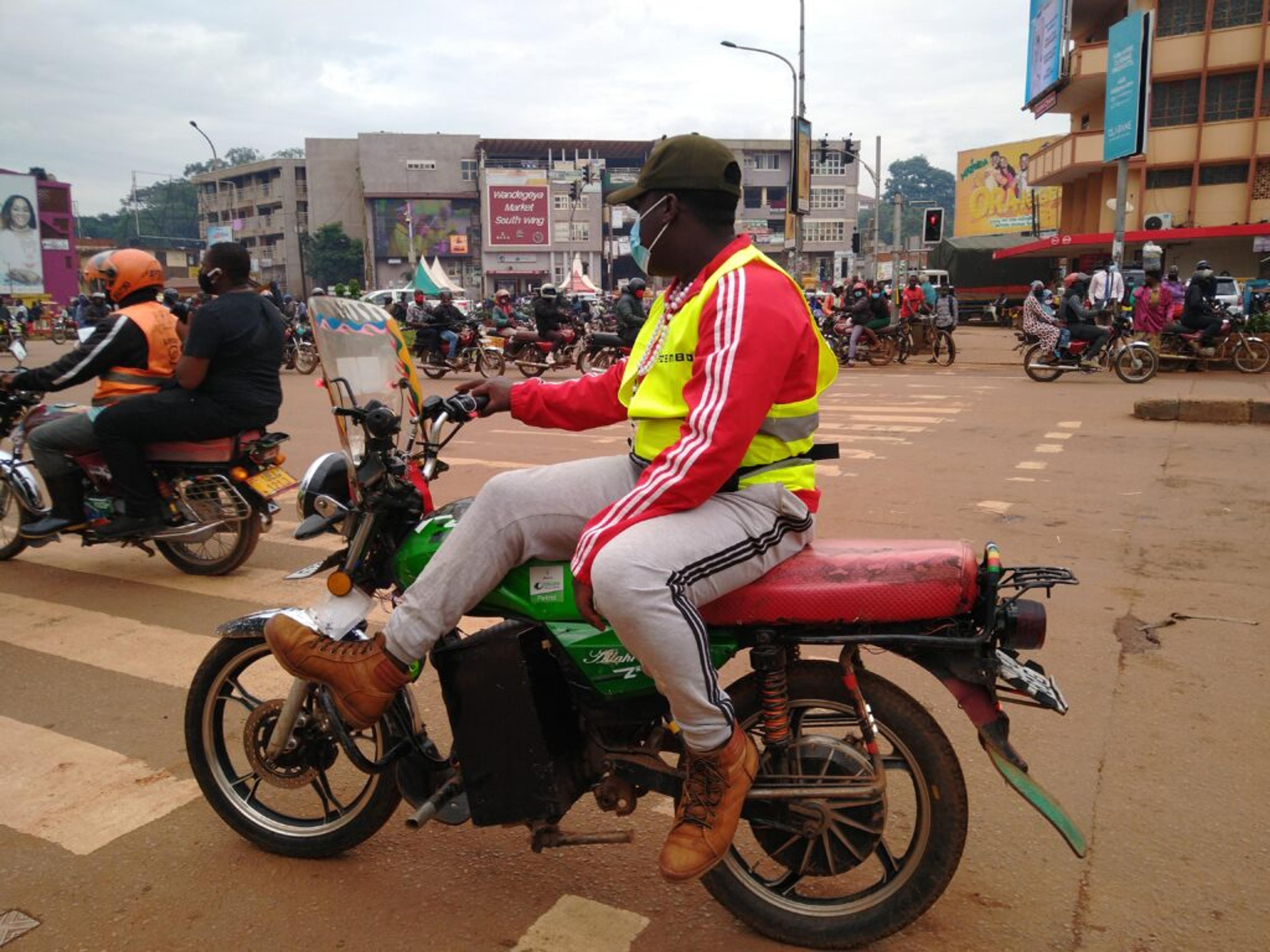
It was around 5 p.m. when the village in me resurfaced. Stories of phone snatching, robberies and boda boda crime in Kampala flooded my mind. Rather than risk walking, I flagged down the nearest motorcycle.
The rider stood out immediately. Spotless black leather jacket. Faded blue jeans. Polished boots. Trousers decorated with chains. His boda was covered in Nelson Mandela and Muammar Gaddafi stickers, disco lights and a speaker blasting Kadongo Kamu. A rosary swung from his neck.
I smiled to myself. Today I am riding with a staunch Catholic from Kalisizo, I thought.
We rode in silence until Ngenda Kusiiba Farm filled the air.
"Have you also started preparing your farm?" I joked.
He sighed. "Bulaaza... nina ebizibu." Brother, I am troubled.
"What happened?"
He didn't hesitate.
He had lost both parents as a child and was raised by his grandmother. In Primary Seven, he got a village girl pregnant. The baby went to his grandmother's home. His dream of sitting Primary Leaving Examinations ended there. An uncle took him to Kampala to work instead.
He spent his days sorting maize and groundnuts at Nakawa Central Market, and his nights sleeping on sacks inside the store, doubling as its watchman. A friend later talked him into boda boda work. He took out a loan for a motorcycle, certain life had finally turned a corner.
Then he met a customer.
After dropping a woman in Seeta, she began calling him to deliver household items. One day, the elderly woman who usually received the deliveries was replaced by someone younger. Numbers were exchanged. Calls grew frequent. Within weeks he was talking marriage.
She seemed interested.
A week later, she said she had permission from her employer to visit a pregnant sister. Hoping to impress her, he booked a modest guesthouse in Natete.
That night, as he reached for the light switch, she stopped him. "Bright lights give me migraines," she said.
He believed her.
By morning she was gone. So was his wallet, his national ID, his boda keys, and the motorcycle itself. Three months after taking out the loan, it had all vanished overnight.
A year later, another surprise. A woman turned up at the market with twins, insisting their father and great-uncle would collect them. When he saw the children, he froze. They looked exactly like him.
He took them in, still sleeping in the market store himself. His uncle intervened and moved the children somewhere more stable.
Four months on, the children's mother reappeared. Critically ill. Barely able to stand. The same woman who had vanished with his motorcycle was now standing in front of him, asking for help.
"Brother," he asked quietly, "what should I do? I still sleep in that same store. I have three children depending on me. And now their mother is dying, with nowhere else to go."
Neither of us said anything for the rest of the ride.
Some stories resist easy verdicts. They are shaped less by villains than by poor choices, hard circumstances and consequences nobody saw coming.
As I stepped off the boda, one question stayed with me:
Who, really, is to blame?

The Writer is a Story Teller and a Strategic Communication Practitioner