
Abandoned by the fathers, teenage mothers in Kyatiri get a lifeline of mama kits and hope
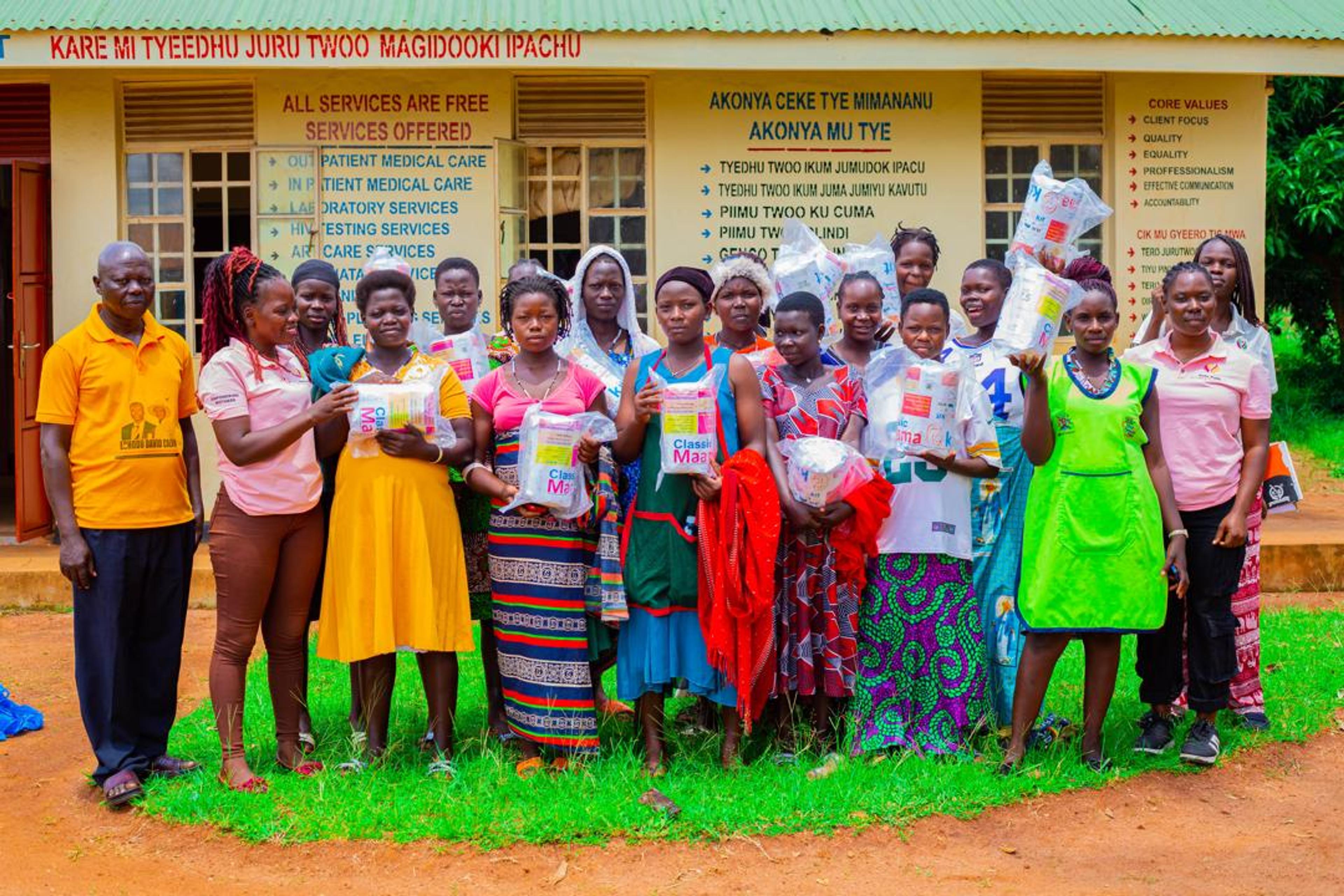
Ayomrwoth Trinity was still in school when she got pregnant. Then the father of her unborn child left Kisindizi IIB, and she has not heard from him since. She is one of dozens of teenage girls in Kyatiri town council now facing motherhood alone, many of them without the money to even afford a mama kit, the basic package of items health workers require for a safe delivery.
On 19 August 2021, a team from Safe Path Mothers Foundation arrived at Kyatiri Health Centre III to try to close that gap, handing out mama kits and running a health education session for teenage expectant mothers in the area.
Kabagenyi Marrion, who represented the Masindi based organization, said the outreach followed research showing that a large number of girls in Kyatiri had dropped out of school because of teenage pregnancy. That same research, she said, found that many teenage mothers were too afraid to deliver in hospital simply because they lacked a mama kit, a fear that pushes them toward home births instead.
Home deliveries carry real risks, Marrion warned. An unusually large baby can require an operation no village midwife is equipped to perform, and by the time a mother in that situation reaches a hospital, she may already be bleeding heavily, in some cases fatally. A mother living with HIV who delivers at home without medical support also risks passing the virus to her baby.
Beyond the health message, Marrion urged the young mothers to take up practical trades such as hairdressing, liquid soap making, tailoring, baking and reusable sanitary pad production, skills she said could help them support their children through a difficult economy. She also encouraged the use of birth control until the young mothers are more financially stable.
Atino Sarah, also of Safe Path Mothers Foundation, had a message for the girls whose partners have disappeared: keep the pregnancy, ignore the judgment of others, and focus on physical and mental health instead. "Pregnancy is not sickness," she told them, adding that the girls should surround themselves with friends who lift them up rather than shame them.
Amiya Fortunate, a Young Adolescent Peer Supporter attached to Kyatiri Health Centre III, appealed to parents to meet their children's basic needs so that daughters are not driven to seek support from men, a pattern she linked to further HIV infection and repeat pregnancies. She urged the teenage mothers to begin antenatal care early and to keep building skills of their own.
For her part, Atuhairwe Evelyn, another teenage expectant mother at the outreach, thanked the organization for its support and asked local political leaders to help young mothers like her find jobs.
Sherifa Nabule, Chief Executive Officer of Safe Path Mothers Foundation, urged the young mothers not to let anger at absent fathers spill over onto their children. "The babies are innocent," she said, appealing to the mothers not to abandon or reject them. She also encouraged breastfeeding, including among mothers worried about its effect on their bodies, calling breast milk the only food a baby needs, and cautioned against taking sick children to drug shops instead of hospitals, since the attendants there are not trained to diagnose illness. She called on parents to strengthen guidance at home and on schools to keep counselling programmes running, and asked political and religious leaders to press for better medication and bed capacity at local health facilities.
The scale of the problem was underscored by Kisarach John, the district councillor for Kyatiri town council, who said every village under his jurisdiction has at least twenty school dropouts linked to early pregnancy. He thanked Safe Path Mothers Foundation for the outreach but said government intervention was overdue.
Kisarach called for a dedicated emergency fund, channelled through sub-counties, to support teenage mothers who fall outside existing government programmes such as Emyooga and the Parish Development Model because they lack national ID cards. He proposed that these young mothers instead be allowed to access support using their Learners' Identification Numbers. He also asked the government to expand training slots at the Kiryana Industrial Hub to absorb more school dropouts from the district into the presidential skilling initiative.