
Religious leaders urged to push sickle cell screening for couples as Bunyoro records Uganda's highest prevalence
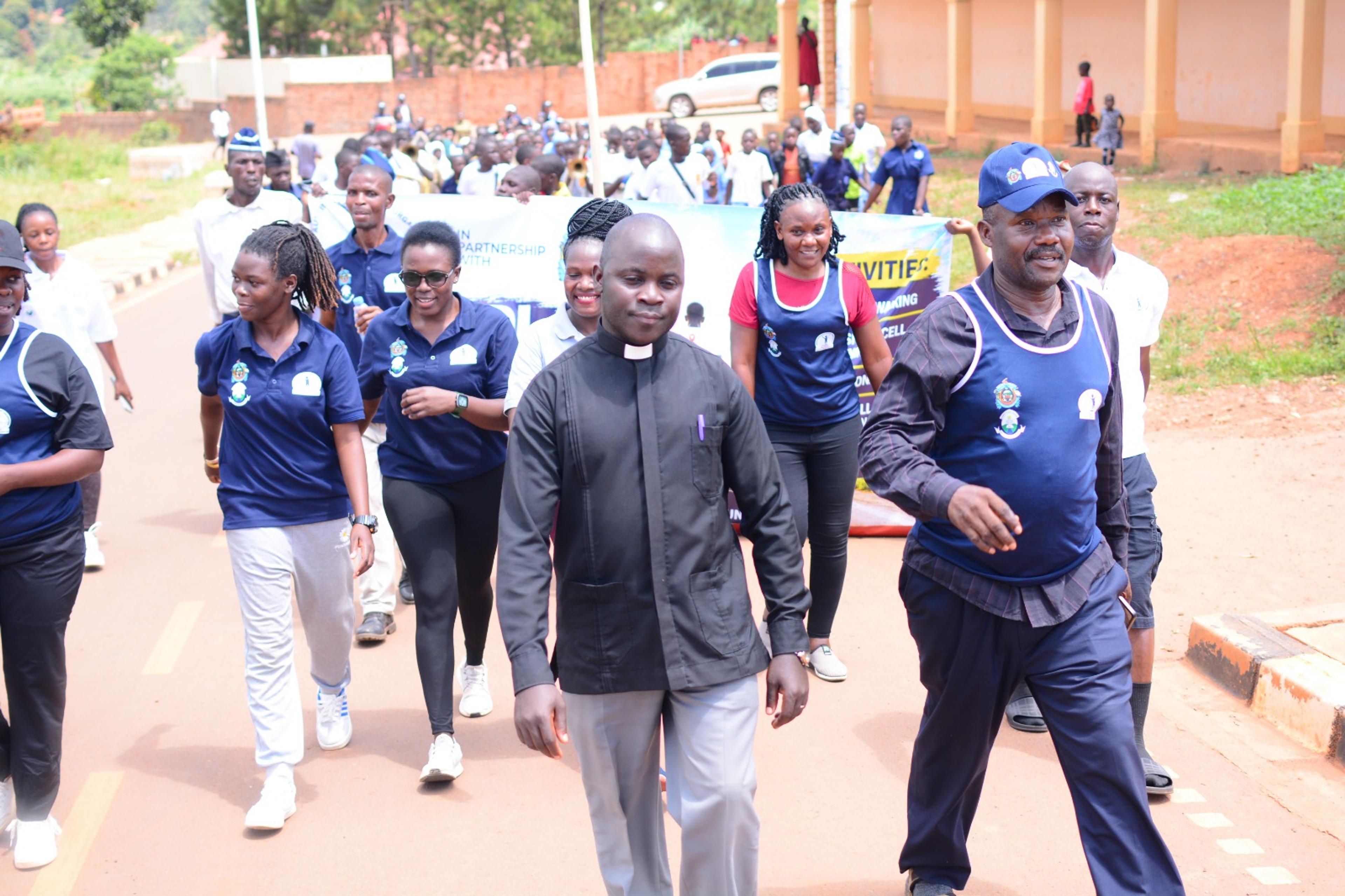
Religious leaders in Bunyoro sub-region have been called upon to make sickle cell screening a requirement for couples preparing to wed, as health officials warn that the region continues to record Uganda's highest prevalence of the disease.
The call was made during a sickle cell awareness run held on September 26, 2026 at St. Matthews Cathedral, headquarters of the Masindi Kitara Diocese. The event, organized by Austin Sickle Cells Support Organization, aimed to raise awareness, screen residents for their sickle cell status, and mobilize blood donations for patients.
Ahumuza Alvin, a student at Kabalega Secondary School living with sickle cell disease, credited the support organization with helping him manage his condition. He described sickle cell disease as a genetic disorder inherited from parents who are either affected or carriers, noting that while it causes significant pain and affects the blood, its complications can be managed through timely medication and lifestyle changes.
Dr. Kisembo Peter, an associate physician consultant at Kitara Medical Center representing the Ministry of Health, said the run was about early diagnosis, prevention, treatment, and survival. He noted that although sickle cell disease has existed for generations, late diagnosis has long been a challenge, often after serious complications such as kidney disease or stroke have already developed, frequently without patients or their communities understanding the underlying cause. Stigma, he added, remains widespread.
According to Dr. Peter, national studies have identified Bunyoro as the region with the highest prevalence of sickle cell disease in Uganda. He described the region as being at a turning point, with health efforts shifting away from diagnosing children only after they fall ill, toward identifying the disease early, before complications set in.
"In February 2026, the Ministry of Health rolled out a program screening newborn babies for sickle cell disease before they are discharged, to ensure early diagnosis and prompt connection to care," Dr. Peter said.
He urged parents not to wait until a child becomes critically ill before testing, and said screening should extend beyond newborns to include adolescents, adults, and anyone planning to have children, enabling informed reproductive choices. He also called on health workers, religious leaders, and politicians to help fight stigma and improve quality of life for people living with the disease, noting that treatment costs can be high enough to break families financially.
In a written statement read on her behalf, Dr. Miriam Ajambo, the Ministry of Health's national coordinator for sickle cell disease, said the run, themed "Every Step Counts, Run for Awareness and Race for a Cure," carried significance for the wider Bunyoro sub-region, where districts including Masindi, Buliisa, Kakumiro, Hoima, Kagadi, Kibaale, and Kikuube all live with the disease's high burden. She commended Austin Sickle Cells Support Organization for its community leadership and confirmed that the Ministry had provided free testing kits for the event.
Dr. Ajambo emphasized that a child is born with sickle cell disease only when both parents carry the gene, and encouraged couples to test before marriage and childbearing. "Testing is not about fear, it is about knowledge, choice, and a healthier next generation," she said, adding that government has prioritized the fight against the disease by strengthening national screening guidelines and improving access to care. She called for all positive cases identified during the event to be linked to ongoing care, and thanked runners, health workers, volunteers, and partners for their contributions.
Reverend Canon Ronald Mukuru, diocesan secretary of Masindi Kitara Diocese, said the church now requires couples to screen for sickle cell disease, alongside HIV/AIDS and Hepatitis B, before marriage, so they can make informed decisions about their health and future together.
Annet Nabukeera Kagoro, CEO of Austin Sickle Cells Support Organization, said Ministry of Health statistics show that 2,000 children are born with sickle cell disease in Uganda each year, with Bunyoro recording the highest numbers. She said the run was intended to counter persistent misconceptions, including the belief among some community members that the disease is linked to sorcery, by educating the public on its causes, transmission, and management. She added that her organization receives more than 20 calls a month from families seeking support.
The event featured aerobics, a run and walk, and free sickle cell screening, through which over 200 people learned their status. A total of 92 units of blood were collected for patients requiring transfusions.
Kagoro appealed to the government to make sickle cell screening freely available nationwide, citing high costs at private facilities, and called for the price of hydroxyurea capsules, which patients must take daily at 1,000 to 2,500 Ugandan shillings per dose, to be reduced.
Salome Kasangaki, administrator of OSEPADEL Medical Services and chairperson of the event's organizing committee, thanked attendees and partners, and urged Bunyoro residents to take advantage of free screening services whenever they become available, given the high cost of testing at hospitals. She encouraged couples to screen for sickle cell disease with the same routine seriousness as HIV/AIDS testing before marriage.
Partners supporting the event included the Ministry of Health, Blood Bank Hoima, Uganda Red Cross Masindi, Kitara Medical Center, OSEPADEL Medical Center, Masindi District Local Government, Masindi General Hospital, Masindi Municipal Council, Urban Print House, Radio 7, Bunyoro Broadcasting Services, and Kings Broadcasting Services.
Austin Sickle Cells Support Organization is based at the Masindi Kitara Diocese headquarters in Masindi Municipality and currently supports more than 50 sickle cell patients with treatment and counselling services.