
Why children need to hear their parents say, "I was wrong"
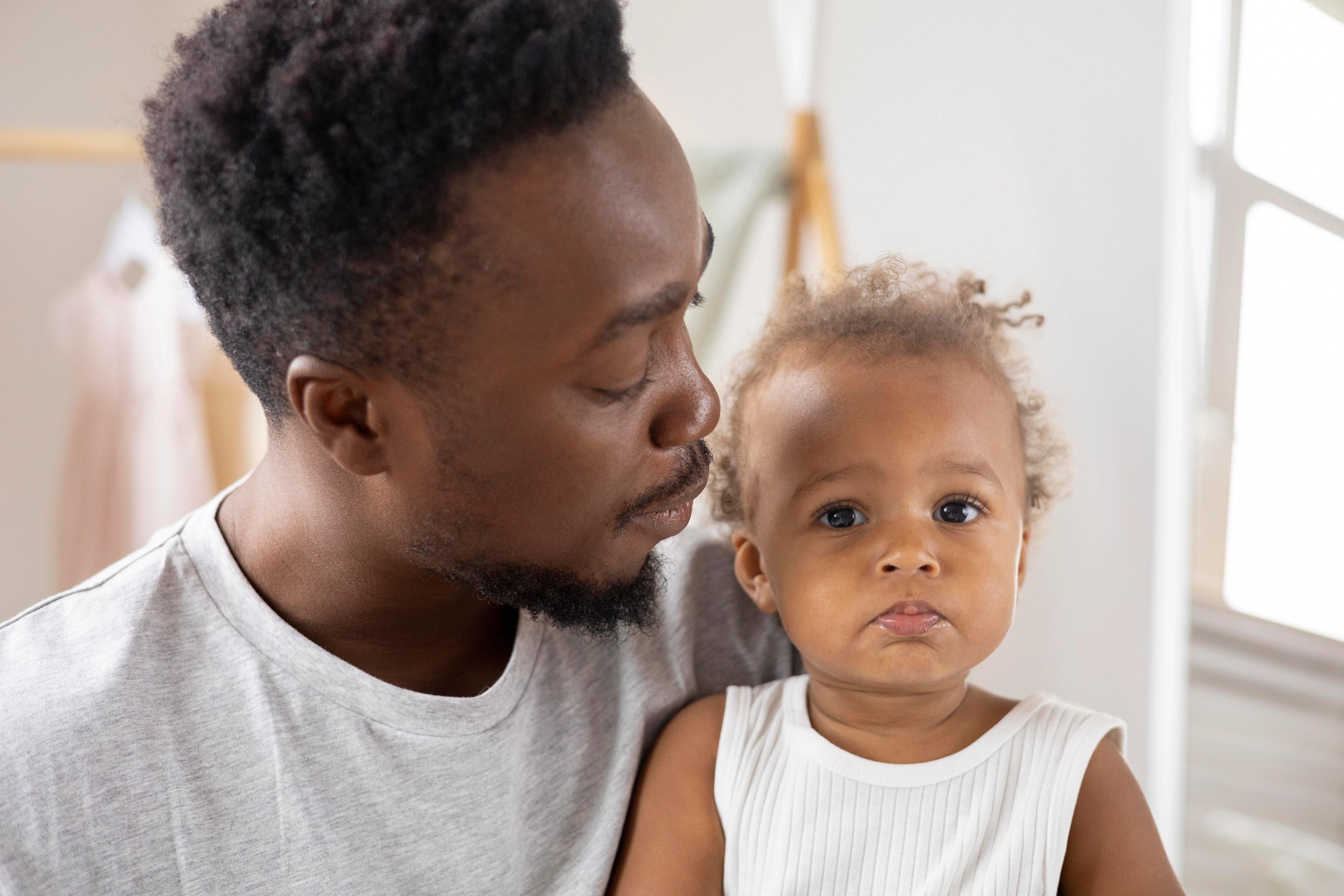
Courtesy Photo
Many African parents were raised to believe that a parent must always be right. Apologising to a child can therefore feel like surrendering authority. Some fathers, in particular, fear that saying "I am sorry" will make their children disrespect them or weaken their headship. But what if the opposite is true?
A parent who cannot admit being wrong may command obedience, but may struggle to earn genuine respect. Children do not need perfect parents. They need parents who model humility, accountability, and healthy relationships.
Authority does not require perfection
Being a parent means having authority, but authority does not mean never making mistakes. Parents lose their temper, make unfair judgments, misunderstand situations, break promises, and sometimes discipline children without hearing the whole story.
The dangerous response is to defend the mistake simply because we are the parents. When a father tells his child, "I was wrong to shout at you. I should have listened before judging you. I am sorry," he is not becoming smaller. He is demonstrating strength. Children learn that authority and humility can coexist.
Why should parents apologise?
A sincere apology teaches children that mistakes have consequences and that responsible people take ownership of them. It also teaches them how to repair relationships. When parents apologise, children learn that admitting wrong does not make you weak; saying sorry is a sign of maturity; people can disagree without destroying relationships; mistakes can be corrected; forgiveness and reconciliation matter; and respect should be mutual.
Most importantly, children are more likely to apologise when they themselves make mistakes because they have seen their parents do it. You are instilling behaviours in them at an early age.
When should a parent apologise?
Parents should apologise when they have clearly done something wrong, not merely to end an argument. Apologise when you have shouted unnecessarily, insulted your child, accused them unfairly, broken a promise, embarrassed them publicly, failed to listen, punished them without establishing the facts, or treated them disrespectfully.
But do not apologise for every parental decision simply because the child dislikes it. A parent can maintain a firm boundary while acknowledging that the way they communicated it was wrong. For example: "You are still not allowed to use the phone at night, but I was wrong to insult you when you asked me about it. I am sorry." That is both compassionate and authoritative.
How can a parent apologise properly?
First, acknowledge exactly what you did. Avoid vague statements such as, "Sorry if you felt bad." Second, take responsibility without excuses. Say, "I was wrong," rather than blaming the child for provoking you. Third, acknowledge the impact. Tell the child that you understand your words or actions hurt them. Fourth, ask for forgiveness. "Please forgive me" teaches humility. Fifth, correct the damage where possible. If you broke a promise, make amends. Finally, change the behaviour. An apology without change eventually becomes another empty family phrase.
Fathers, your children are watching
Fathers, especially, should reconsider the belief that apologising diminishes headship. Your children are watching how you handle mistakes, anger, conflict, and responsibility. One day, your son may become a husband and your daughter may become a wife. What relationship habits are they learning from you?
If your children never hear you say, "I was wrong," where will they learn that phrase? A father's apology does not surrender leadership. It strengthens moral leadership because it shows that a man can exercise authority while remaining accountable.
Let us change the culture
Parents, think about a moment when you were wrong but never acknowledged it. Sit with your child. Speak privately. Look them in the eyes. Tell the truth. Apologise sincerely. Then do better. You may be surprised by what follows.
Your child may not lose respect for you. They may respect you more. The greatest lesson may not be what you teach the child when you are right, but what you demonstrate when you are wrong.

The writer is the Executive Director of Hope Regeneration Africa, Parenting Coach, Marriage Counsellor, and Founder of the Men of Purpose Mentorship Programme.