
Shilling depreciation threatens higher cost of living for Ugandans
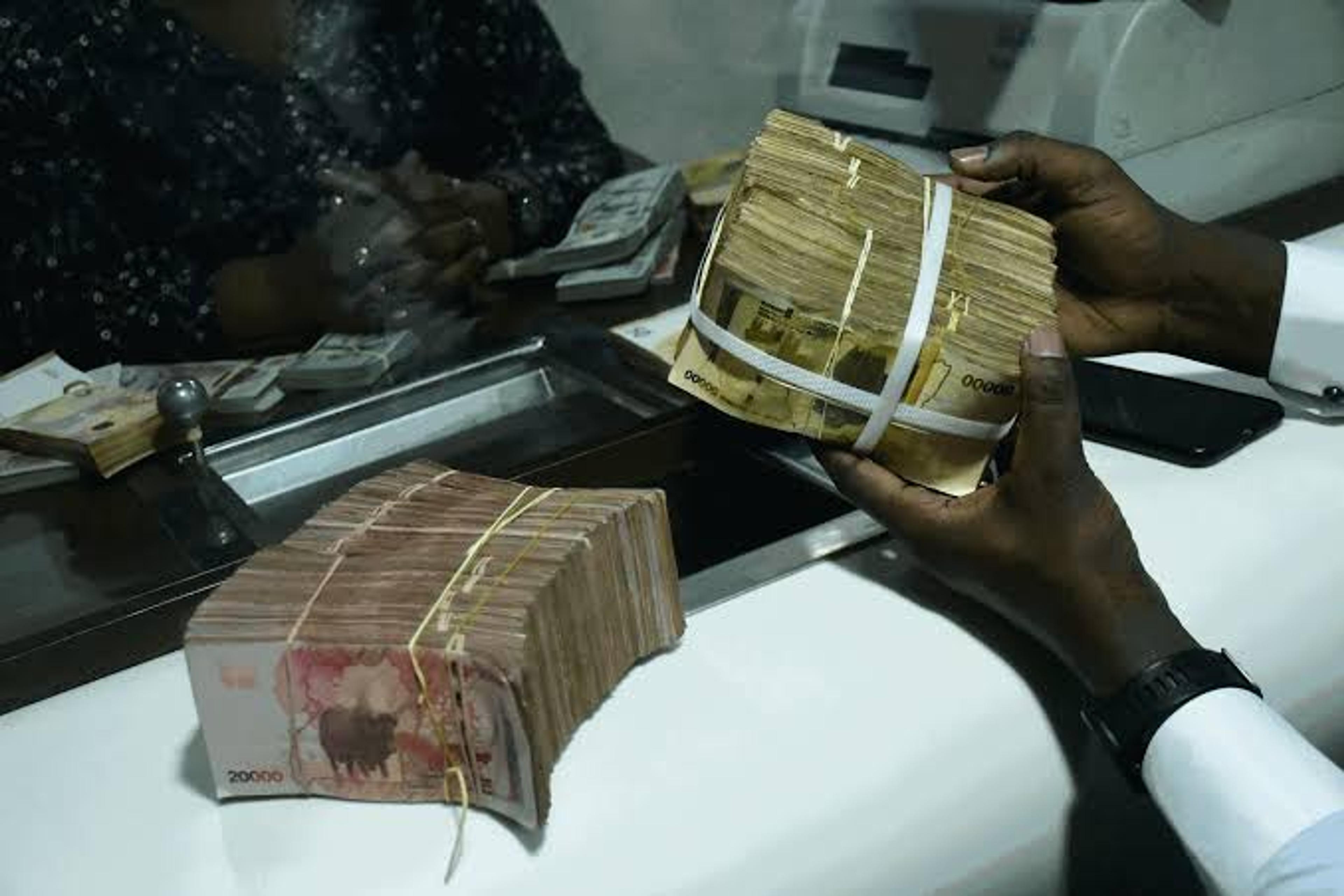
The Ugandan Shilling has depreciated by more than 2% against the US dollar this month, as the escalating conflict in the Middle East ripples through global energy markets, raising concerns about fuel prices, electricity tariffs, and inflation across the Ugandan economy.
According to Bank of Uganda mid-rate data, the shilling closed at UGX 3,869.05 per dollar on 1 September 2026 and has since weakened to UGX 3,903.33 as of 15 September, a depreciation of roughly 2.16% over two weeks. Currency market analysts say the shilling could trade closer to UGX 4,000 to the dollar in the coming weeks if current pressures persist, driven by a combination of global oil price volatility, tighter dollar liquidity, and rising demand for hard currency to cover import costs.
The shilling's slide comes at a sensitive time for the Ugandan economy, which remains heavily reliant on imported fuel, machinery, and manufacturing inputs. A weaker currency directly raises the shilling cost of these imports, even before accounting for any movement in international commodity prices.
Fuel prices under pressure
Given Uganda's dependence on imported petroleum products, analysts warn that a weaker shilling, combined with rising global oil prices and a newly introduced tax levy, is likely to push up domestic pump prices for petrol and diesel in the near term. Fuel importers typically pass on both currency depreciation and higher international crude prices directly to consumers, meaning the compounding effect of both factors could be more pronounced than either alone.
Higher fuel costs would have a broad knock-on effect across the economy. Transport costs are likely to rise first, increasing the cost of moving agricultural produce and other goods from producers to markets across the country. Businesses that rely on fuel for operations, from manufacturers to logistics firms, would also face higher operating costs, which are typically passed on to consumers through higher prices for goods and services within weeks of a fuel price increase.
Electricity tariffs could follow
The Electricity Regulatory Authority (ERA) has set the current tariff for domestic consumers at UGX 779 per unit for the July–September 2026 quarter. ERA reviews and adjusts tariffs quarterly based on a formula that accounts for exchange rate movements, inflation, fuel costs, and other input costs affecting power generation and distribution.
Analysts say that if the shilling's depreciation, inflationary pressure, and fuel costs continue at their current pace, there is a real possibility of an upward tariff adjustment when ERA reviews rates for the October–December 2026 quarter. Any increase would be felt most acutely by energy-intensive industries such as manufacturing, cold storage, and processing, where electricity is a significant share of production costs. Businesses in these sectors have historically passed on higher energy costs to consumers, particularly where competition is limited.
Inflation and the cost of living
Economists caution that Ugandans could face mounting cost-of-living pressures in the coming months if the current external shocks are not contained. Higher fuel and electricity costs are likely to feed into what economists call second-round inflationary effects, where businesses across sectors raise prices to offset increased transportation, energy, production, and distribution costs, even where the goods themselves have no direct import component.
Food prices are a particular concern. Beyond the effects of fuel costs and currency depreciation on transport and farm inputs such as fertiliser, analysts note that unpredictable weather conditions could further strain agricultural production and the supply of key staple crops, adding another source of upward pressure on food prices at a time when households are already absorbing higher transport and energy costs.
Outlook
Taken together, a weaker shilling, rising international oil prices, higher domestic fuel costs, the prospect of increased electricity tariffs, and potential weather-related disruptions to food supply point toward a broader increase in the cost of goods and services in Uganda over the coming months. How sharply this materializes will depend largely on how the Middle East conflict develops, the pace of any further shilling depreciation, and whether the Bank of Uganda intervenes to stabilise the currency in the interim.