
Masindi cancer run doubles as warning against street food, spiked milk
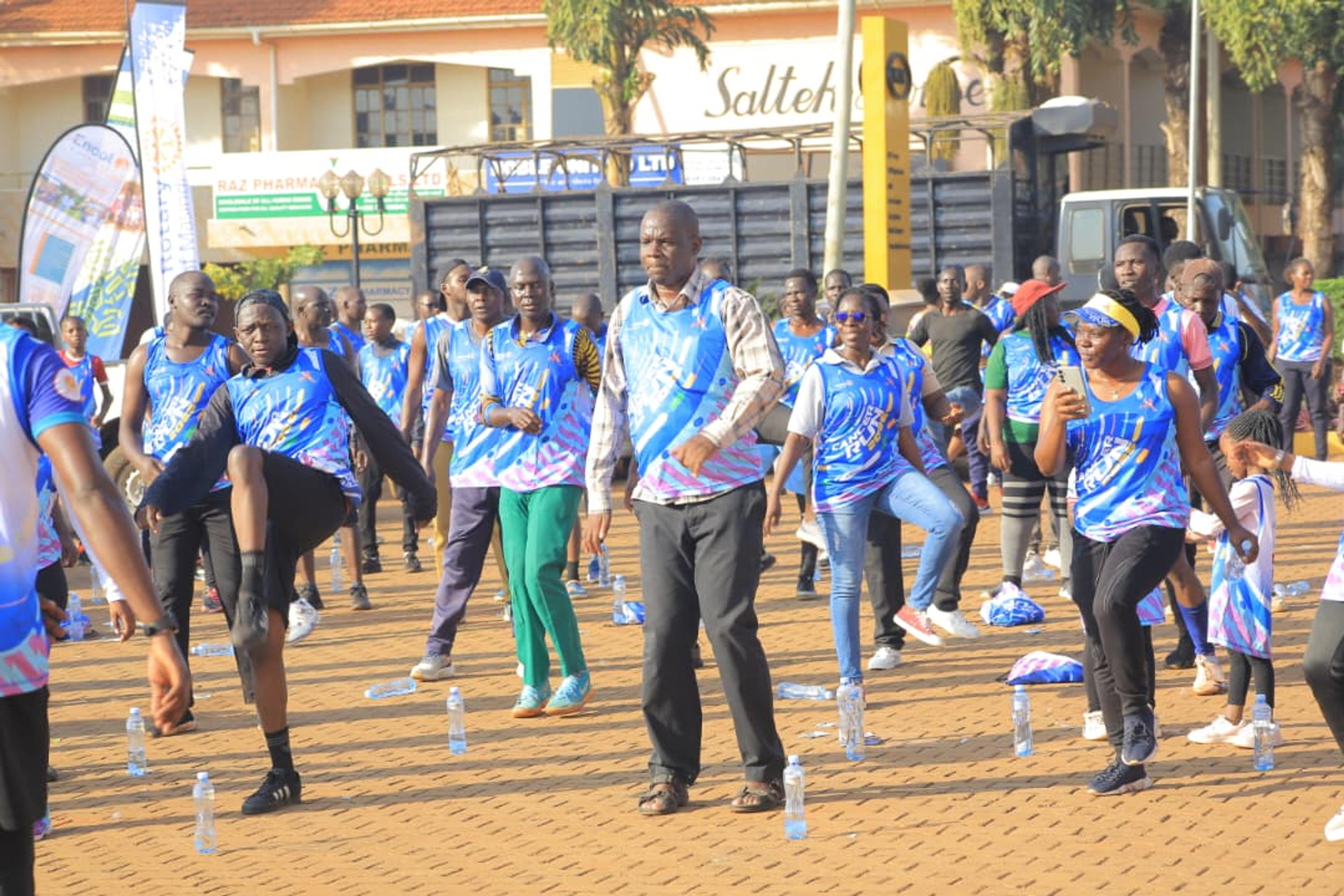
Residents of Masindi were warned against common food and lifestyle practices linked to cancer during the 15th edition of the Rotary Club of Masindi's cancer run, held on 30th August 2026 at the MTN service center in Masindi municipality.
Speaking at the event, Dr. Kisembo Peter of Kitara Medical Center outlined several everyday practices that put people at risk, from tobacco and alcohol use to unsafe food handling and preservation methods common in local markets and eateries.
Dr. Peter said prolonged tobacco use exposes smokers to carcinogens that directly damage DNA, with the risk of lung cancer rising the longer a person smokes and the more their body's regulatory systems fail to repair the damage. He added that excessive alcohol consumption produces harmful metabolic byproducts, raising the risk of esophageal cancer in men and, with continued heavy use, progressing to liver cancer.
He also raised concerns about environmental carcinogens, noting that Uganda has struggled to meet export standards for grains such as groundnuts and maize due to aflatoxin contamination, with South Sudan reportedly the only market still accepting the country's grain. Aflatoxins, he explained, are fungal toxins that develop on grains stored improperly, such as ground flour left in sacks or buckets for months. He said economic pressure often pushes people to cut corners on food safety, in part because many underestimate their own risk of developing cancer.
Turning to street food, Dr. Peter said some vendors mix drugs such as paracetamol into beans or meat to speed up cooking, a practice that produces harmful byproducts when exposed to high heat. He also flagged the common habit of covering posho and matooke with polythene bags while still hot, which can transfer chemical residues, including mutagens and carcinogens, into the food.
He further warned that some chip vendors use transformer oil, which is more heat stable and lasts longer than cooking oil but is dangerous for human consumption, and that some food sellers resell used cooking oil rather than discarding it. Milk vendors who add small doses of formalin as a preservative were also named as a concern, since the chemical, used to preserve human tissue samples and cadavers, has been linked to cancer.
Dr. Peter additionally cited the practice of fattening pigs with antiretroviral drugs, which are designed to remain stable at body temperature. He said the drug accumulates in the animal's muscle tissue and breaks down into harmful byproducts when the meat is cooked at high heat. He also cautioned against inhaling smoke from burning plastics or charcoal stoves, saying repeated exposure can overwhelm the body's ability to repair cellular damage over time.
He called for collective responsibility in addressing these risks, urging local leaders, security officers and health workers to keep sensitizing communities on the causes of cancer.
A growing community event
The cancer run drew runners across three categories, 10 kilometers, 5 kilometers, and a walking group, with organizers reporting the highest kit sales in the event's history this year.
Mugisa Brenda, the cancer run chairperson and immediate past president of the Rotary Club of Masindi, thanked participants for their turnout and said proceeds would go toward a cancer facility under construction at Nsambya Hospital. She credited the club's cancer run committee for organizing the event and welcomed dignitaries including chief runner Hon. Grace Bukirwa, an aspirant for Member of Parliament for Bujenje County in Masindi District, regional police commander ACP Damalie Nachuha, District Police Commander Superintendent of Police Tukasiima Pensive, the District Internal Security Officer, judicial officers, and the UEDCL manager.
Brenda also thanked the club's partners, including One World Health and Kitara Medical Center for providing medical services such as ambulance support and cervical cancer screening, Centenary Bank for supplying kits for sale, Crystal Water and Kinyara Sugar for refreshments, and Muritech Enterprises and Jakaranda Café among other sponsors.
Bukirwa, addressing participants as chief runner, said the event was about more than walking and running. She described it as a step toward saving lives and spreading cancer awareness, and encouraged residents to get screened before it is too late. She urged participants to return in greater numbers next year and to apply what Dr. Peter had taught them in their daily lives.