
Musasizi sets 20% tax-to-GDP target, unveils new budget accountability charter
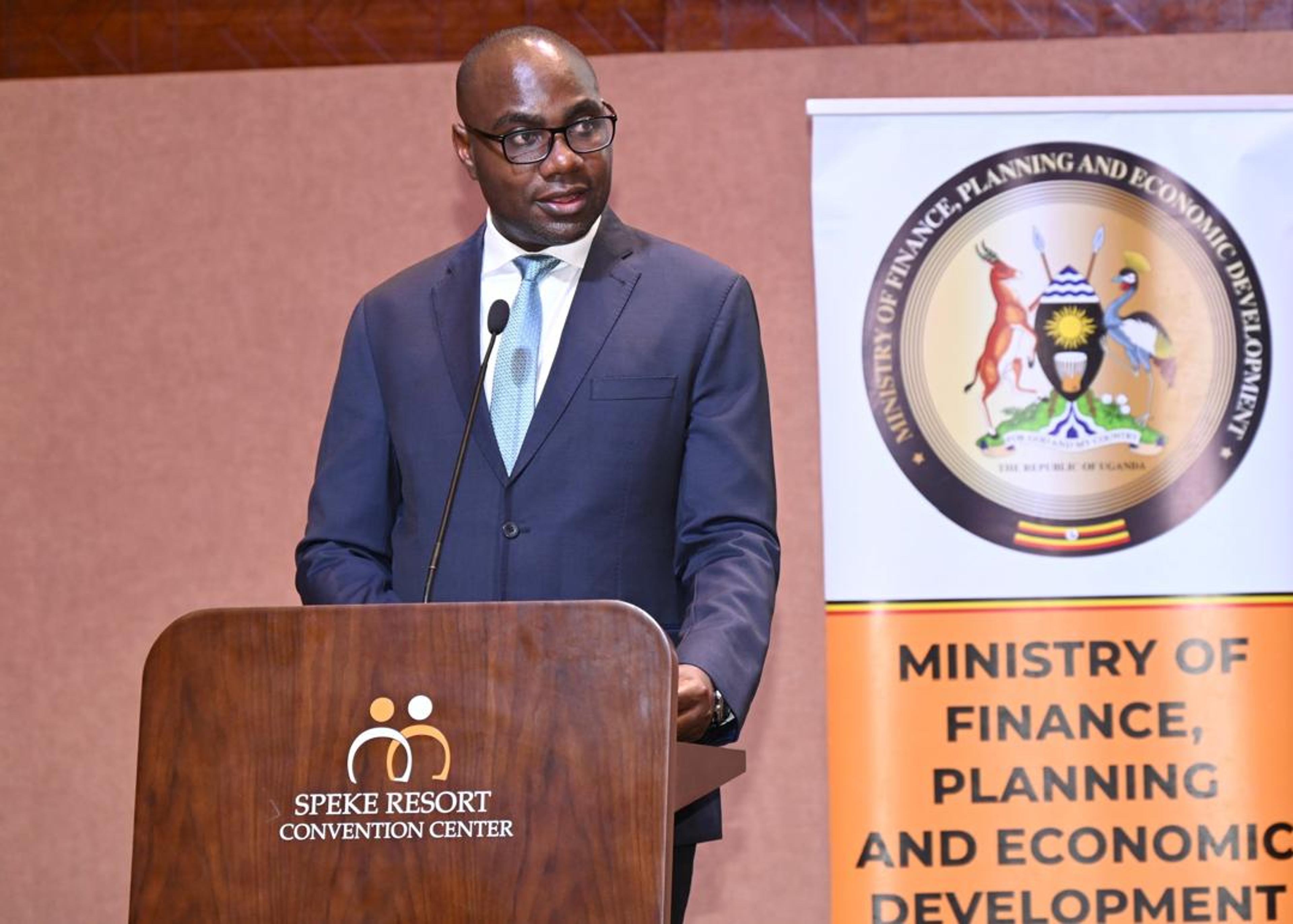
The Minister of Finance, Planning and Economic Development, Hon. Henry Musasizi, told Parliament's Committee on Finance, Budget and National Economy that government aims to raise Uganda's tax-to-GDP ratio from 13% to 20% during the current term, a target he said will require stronger domestic revenue mobilization, firm government commitment and continued support from Parliament.
Musasizi made the remarks while opening the committee's 12th retreat at Speke Resort Munyonyo. He said increased domestic revenue will be essential to financing national development while reducing reliance on borrowing.
The Minister said Uganda's economy has continued to grow by more than 5%, despite global economic shocks. He said the next priority is ensuring that growth translates into tangible benefits for Ugandans through the creation of productive jobs, higher household incomes, enterprise development and wealth creation, in line with the Tenfold Growth Strategy, which he described as aimed at eliminating poverty and transforming Uganda into a $500 billion economy.
Musasizi said achieving that ambition will require significant improvements in the quality of public spending. He called for government to shift its focus from inputs and activities toward measurable results, while strengthening public investment management and addressing budget pressures arising from wages, debt servicing and statutory obligations. He said the emphasis should be on ensuring that every public shilling delivers value and contributes to improved public service delivery.
Musasizi said Uganda's public financial management systems are largely in place, and that the main challenge now lies in implementation, enforcement and accountability. He listed strengthening internal controls and auditing, clearing arrears, improving liquidity management, finalizing procurement reforms and strengthening the management of public assets as key priorities, saying these measures are critical to reducing waste and improving value for money.
Starting this financial year, Accounting Officers will sign a Budget Discipline and Accountability Charter aimed at strengthening controls over supplementary budgets, recruitment, arrears and financial commitments. Musasizi said strong parliamentary oversight will be critical to ensuring these commitments are implemented and that public resources are managed responsibly.
He also called for stronger cooperation between the Ministry of Finance, Planning and Economic Development and Parliament, saying effective oversight depends on timely, accurate and complete information, and that improved coordination between the two institutions would help close communication gaps and strengthen scrutiny of policies, budgets, borrowing decisions and expenditure.
He said the retreat should go beyond discussion and translate into concrete action, including stronger Ministry–Parliament engagement, clearly designated coordination focal points and agreed timelines for responding to parliamentary requests.
"Uganda's development ambitions will depend not only on sound policies and strong public financial management systems, but also on discipline, accountability and effective execution," Musasizi said. "These efforts are essential to ensuring that economic growth translates into meaningful improvements in the lives of ordinary Ugandans."